July 18, 2026
Blood Alcohol Concentration (BAC) limits have long served as a crucial metric in public safety and legal regulation. This blog will explore why this specific BAC level is considered particularly hazardous, delving into the scientific, psychological, cognitive, and legal facets of impaired driving. We will also look into global policy implications and educational initiatives aimed at mitigating the risks associated with driving under the influence. By analyzing data frequently utilized by a criminal DUI law firm, we can better appreciate the rationale behind maintaining this threshold and the continuous efforts to ensure public safety on the roads.
BAC Levels
Blood Alcohol Concentration is a measurement of the amount of alcohol present in a person's bloodstream, expressed as a percentage. This measurement is crucial in determining the level of impairment a person might experience after consuming alcohol. Various factors, such as body weight, gender, and metabolic rate, influence how quickly a person's BAC rises and falls. For drivers, reaching a BAC of .08 often signifies a critical point where physical and cognitive abilities begin to decline significantly, according to the NHTSA. Understanding this concept is fundamental to recognizing the impact of alcohol on motor coordination and the associated risks.
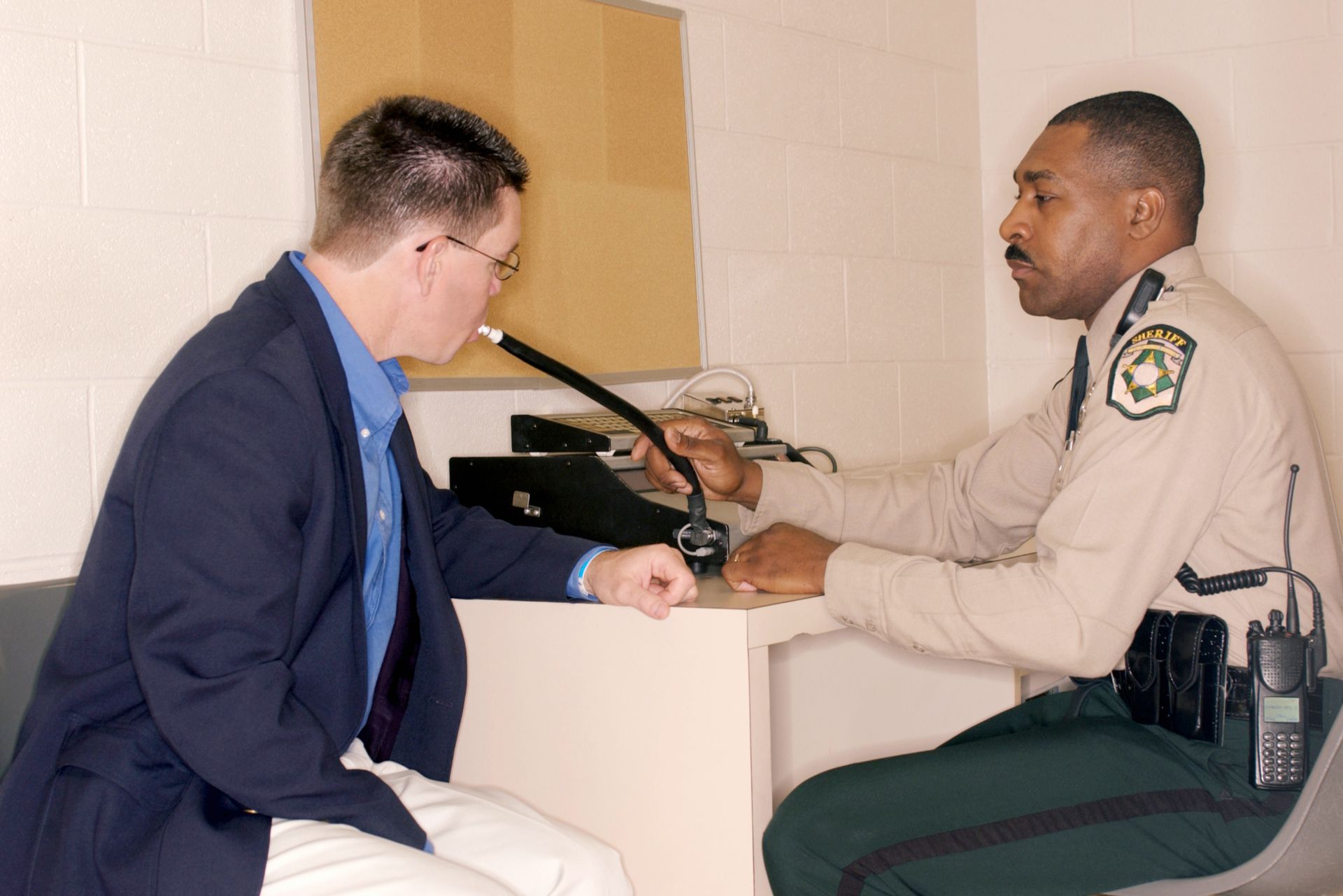
The calculation of BAC involves analyzing blood samples or estimating based on breath, urine, or saliva tests. As the BAC levels increase, so do the signs of impairment, affecting an individual's ability to perform complex motor tasks essential for driving. Even at levels lower than that, noticeable effects on reaction time, visual functions, and information processing can be observed. However, it is at this level that these impairments become most pronounced, leading to higher crash risks, a reality frequently observed by any experienced criminal DUI law firm. Therefore, drivers must be aware of how quickly their BAC can escalate, impacting driving abilities.
According to the NHTSA, at a BAC of .08 grams of alcohol per deciliter of blood, crash risk increases exponentially. This fact underlines why that BAC level is often seen as a dangerous threshold that warrants legal action and vigilance. The exponential increase suggests that even slight deviations above this limit can significantly heighten the possibility of vehicular accidents. This data aids policymakers in understanding the potential dangers involved and underscores why that level is considered a critical point for intervention. As such, public education campaigns often emphasize maintaining BAC levels well below this threshold.
Effects of BAC on Motor Skills
A BAC of that level can severely impact an individual's motor skills, essential for safe driving. At this level, muscle coordination becomes noticeably compromised, affecting a driver's ability to steer accurately and brake efficiently. This impairment makes it much more challenging to control a vehicle, increasing the likelihood of accidents. Furthermore, the reduced ability to perform complex tasks, such as parking or making sharp turns, exacerbates these risks. For this reason, many countries have established that level as the legal limit, a standard boundary heavily defended and navigated by a criminal DUI law firm during legal proceedings.
Additionally, driving at a that BAC can distort depth perception, making it difficult for drivers to judge distances properly. This distortion can lead to collisions. Drivers may also struggle with shifting their focus between various driving tasks, such as checking mirrors and observing road signs. As these foundational skills deteriorate, the potential for road incidents climbs steeply. Given this, understanding how alcohol impairs motor functions is key to bolstering public safety measures.
Moreover, studies have shown that individuals with a BAC experience delayed response times to sudden changes on the road. Whether reacting to a pedestrian crossing or another vehicle merging, these delays can be critical, leading to mistakes that might have been avoidable if the driver was sober. As motor skills decline, so do decision-making capabilities, compounding the effects of impaired driving. It highlights the vital intersection between physical coordination and cognitive function when addressing impaired driving. The compounding effects at this level make it vital to adhere to set thresholds and work with a criminal DUI law firm if facing charges.
Scientific Studies Linking BAC to Motor Coordination
Numerous scientific studies have consistently shown the detrimental effects of BAC on motor coordination. These studies often use driving simulators to observe individuals at various BAC levels, assessing their ability to perform routine driving tasks. Results consistently indicate a marked decline in driving abilities at that BAC, with drivers showing significant difficulty maintaining lane position and appropriate vehicle speed. This empirical evidence reinforces public safety campaigns that warn against operating a vehicle at this threshold. The clear scientific correlation between BAC and impairment strengthens the call for strict legal enforcement.
Research also highlights the physiological mechanisms responsible for impaired motor coordination at higher BAC levels. Alcohol affects neurotransmitter production, primarily focusing on the central nervous system, resulting in decreased communication between brain cells. As coordination suffers, so does a driver's ability to respond to sudden or unexpected events on the road. The central role of the cerebellum, which governs balance and coordination, becomes evident when evaluating how alcohol disrupts these functions.
Comparison of BAC Effects at Lower Levels
When comparing BAC effects at lower levels, it becomes apparent why this specific threshold is deemed particularly risky. At a lower BAC, for instance, drivers may experience mild impairment, such as minor difficulty with complex tasks and reduced coordination. Nonetheless, these levels allow individuals to respond more effectively to road changes compared to those at low BAC. In this way, lowering BAC levels before driving significantly mitigates associated risks, reinforcing the importance of personal responsibility and community safety.
Many nations have structured their drunk driving policies around a low BAC limit, reflecting an understanding that even moderate alcohol consumption can impair driving. By comparing various BAC levels, policymakers can assess which thresholds pose the greatest risk to public safety and adjust regulations accordingly. These comparisons clarify why certain regions implement stricter limits and penalty systems, ensuring that drivers are more vigilant about their alcohol intake perceptions and community repercussions. The data supporting lower thresholds underscore a proactive approach to road safety, though a criminal DUI law firm can guide local jurisdictional variances.
Long-term Implications of Impaired Coordination
In addition to immediate driving risks, the BAC can have long-term implications that extend beyond the drive. Chronic impairment associated with repeated instances of high BAC levels can erode an individual's overall motor skills, even while sober. This wear and tear results from prolonged neuron alteration and coordination deterioration as the body struggles to repair itself from frequent alcohol exposure. Addressing these remnants requires a concerted focus on not only immediate traffic law enforcement but also broader public health interventions.
Furthermore, the social and personal consequences of frequent impaired coordination can reflect more broadly on an individual's life. The embarrassment of recurrent legal issues and the strain on social relationships inevitably impact mental well-being and professional prospects. While the physical effects of impaired coordination receive more attention, these holistic repercussions influence an individual's quality of life in unquantifiable ways.
BAC represents a scientifically proven threshold where cognitive and motor skills decline sharply, exponentially increasing crash risks. Understanding these severe physical impairments and long-term social consequences reinforces the vital importance of strict legal limits, public education, and personal responsibility to ensure overall road safety. If you are facing legal challenges regarding these limits and need to secure representation from a reputable criminal DUI law firm, call Bulldog Legal today.