May 4, 2026
This article explores the intricate legal process associated with Driving Under the Influence (DUI) charges. Understanding each step can provide valuable insight into the consequences of a DUI and aid in navigating the legal system effectively. The legal ramifications of a DUI charge can be severe, influencing both the immediate and long-term future of the accused. By delving into the specifics of the process, defendants and their families can better prepare and possibly mitigate the impact of these charges. In this exploration, we will consider various scenarios and outcomes that can shape a DUI case.
1. The Initial Traffic Stop
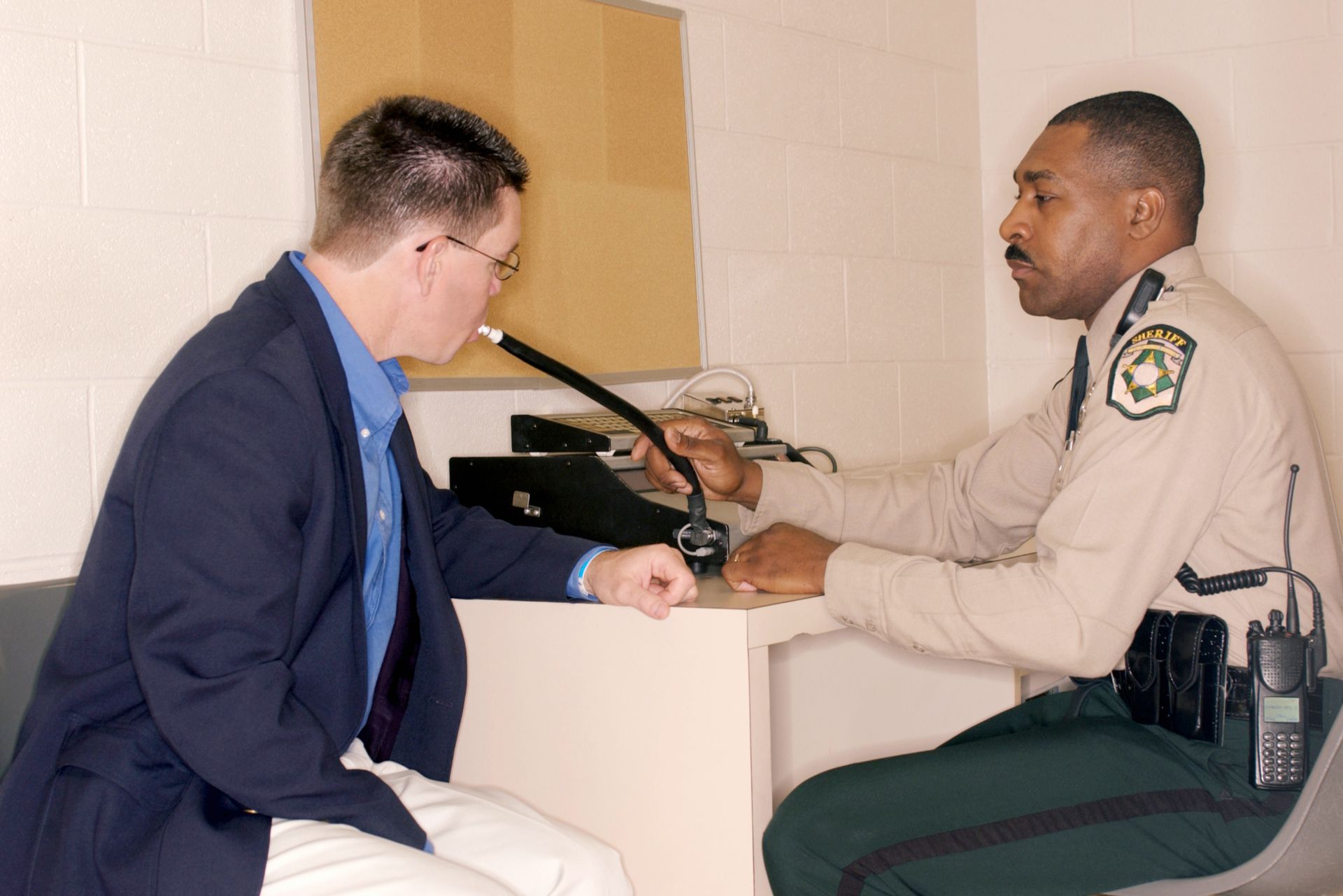
The initial traffic stop is a crucial step in the DUI process, as it sets the stage for any subsequent legal action. Law enforcement officers typically pull over drivers when they observe erratic behavior that suggests intoxication, such as swerving or excessive speed. During this stop, the officer will request the driver's identification and vehicle documents, giving an initial impression of the driver's state. The officer must be equipped to assess impairment carefully, relying on their training to make a justified decision. In some instances, preliminary breath test tools may be utilized to gauge the driver’s blood alcohol content (BAC) at the roadside.
The decision to arrest an individual on suspicion of DUI hinges largely on the observations made during the initial encounter. If the officer suspects that the driver is impaired, further tests are conducted to gather evidence, which may include field sobriety tests or breathalyzer tests. Each of these methodologies serves as a potential indicator of DUI and collectively they help officers uphold the law. Furthermore, it is imperative that officers follow procedure diligently to avoid any claims of misconduct. Thus, these initial interactions play a pivotal role in the foundation of any future legal case against the driver.
An officer’s decision to conduct a DUI arrest is supported by state laws that aim to keep roadways safe. For instance, according to the Illinois Secretary of State, under Illinois' Use It & Lose It Zero Tolerance law, drivers under age 21 who are caught with any trace amount of alcohol in their systems will lose their driving privileges. This strict enforcement policy is designed to deter underage drinking and driving, emphasizing the seriousness of following the legal guidelines. By removing driving privileges, authorities aim to prevent potential accidents and injuries caused by underage DUI offenders. Such measures underscore the importance of abiding by traffic laws and the potential severe repercussions for violation.
2. The Arrest and Booking Process
Should the officer decide to arrest the individual for DUI, the procedure formally begins with reading the Miranda Rights. These rights inform the detained person of their right to remain silent and their right to legal counsel. Understanding these rights is crucial, as anything said during the arrest could be used in a legal context. After being informed of their rights, the individual is transported to the police station for processing. This stage of the arrest process is a critical time for the accused to remember their rights and contact legal representation if necessary.
Once at the station, the booking process begins, involving fingerprinting and photographing the accused for official records. During booking, personal items are confiscated, logged, and securely stored until the individual is released. This procedure ensures that all possessions are accounted for and reduces any security risks in the holding environment. After processing, the accused is typically held in a secure facility until a court appearance can be made or bail can be posted. Bail options vary greatly depending on the severity of the DUI charge, prior offenses, and the jurisdiction.
The option for posting bail often presents the first opportunity for the accused to reenter society pending trial, although it may come with conditions or restrictions. Bail can provide temporary freedom while allowing time to prepare a defense; however, some may remain in custody if deemed a flight risk or a danger to the community. This process can be anxiety-inducing, but having legal counsel can guide individuals through understanding their options and rights at this stage. Additionally, being aware of state-specific laws, such as Illinois' \"bond\" requirements, is crucial to navigating the legal landscape. Proactive engagement with the legal process starts with recognizing these foundational steps.
3. Understanding DUI Charges
Understanding the nuances between DUI (Driving Under the Influence) and DWI (Driving While Intoxicated) is fundamental in grasping the legal charges one may face. While both terms are often used interchangeably, they can hold different meanings depending on jurisdiction. DUI generally implies impairment by any substance, while DWI may strictly refer to alcohol-related impairment. This differentiation can influence the severity of the charges and potential penalties faced by the accused. Thus, accurate comprehension of these distinctions is imperative for defendants looking to manage their legal challenges.
Blood Alcohol Concentration (BAC) limits are set at the state level and play a significant role in determining DUI charges. For most states, the legal BAC limit is 0.08% for drivers aged 21 and over. However, the threshold is often zero or significantly lower for drivers under the legal drinking age, as seen in Illinois' zero-tolerance law. This law unequivocally states that underage drivers with any detectable amount of alcohol in their systems will experience legal repercussions, such as the revocation of driving privileges. The implementation of these limits is a testament to the proactive measures aimed at curbing impaired driving and ensuring road safety.
Additional aggravating factors can elevate the severity of DUI charges, such as causing bodily harm or driving with a significantly high BAC. Repeat offenders tend to face harsher penalties due to the increased perceived risk to public safety. These considerations underscore the importance of understanding potential amplifiers in DUI cases, where mitigating circumstances can dramatically affect outcomes. Laws surrounding drug impairment are also evolving, incorporating a broader scope of controlled substances beyond just alcohol. As regulations adapt to current societal trends, lawful driving obligations become increasingly comprehensive for all road users.
4. The Court Process
The legal journey of a DUI charge into the courtroom begins with the arraignment stage, where formal charges are announced, and the accused enters a plea. Pleading guilty, not guilty, or no contest has significant implications and should be carefully considered with legal guidance. The arraignment also typically involves discussing bail conditions and scheduling further legal proceedings. This preliminary step sets the trajectory for how a DUI case may unfold. Effective preparation during this stage is critical in establishing a successful defense strategy or exploring alternative resolutions.
The legal process surrounding DUI charges is complex and nuanced. By understanding each step, individuals can better prepare for the potential outcomes and explore viable defenses. Whether aiming to mitigate penalties or challenge the charges, knowledge of legal rights and procedures is essential for navigating the landscape of DUI charges effectively. The collaborative approach between defendants, legal counsel, and the wider support network is key to confronting the consequences of DUI charges and embracing rehabilitative pathways. Through proactivity and engagement, the challenges presented by DUI offenses can be addressed constructively, with a view toward lasting behavioral change. Be sure to reach out to Bulldog Legal today for more information on our professional criminal DUI lawyers!