October 27, 2026
Facing a DUI charge is a disorienting experience that quickly compromises your freedom, finances, and future. Navigating the complex legal labyrinth of impaired driving charges requires highly specialized knowledge that goes far beyond physical breath tests and courtroom procedures. Enlisting the help of experienced criminal DUI lawyers is often the single most critical factor in securing a favorable resolution to your case.
1. Investigating the Legality of the Initial Traffic Stop
A foundational element of a strong defense lies in scrutinizing how your encounter with law enforcement began. Officers must have "reasonable suspicion" to pull you over, which means they must observe specific, articulable facts suggesting a traffic violation or other illegal activity. Seasoned defense attorneys dissect every second of patrol car dashcam footage, bodycam audio, and officer reports to determine if the stop was lawful. If your legal counsel can prove the officer pulled you over on a mere hunch without valid cause, any evidence gathered after that point is considered tainted. Your attorney can file a motion to suppress this evidence, which frequently leads to the total dismissal of the charges.
2. Evaluating the Reliability of Field Sobriety Tests
Standardized Field Sobriety Tests (SFSTs), consisting of the horizontal gaze nystagmus, the walk-and-turn, and the one-leg stand, are highly subjective and notoriously prone to error. Environmental factors such as uneven pavement, poor lighting, wind, passing traffic, or even an individual's physical health, age, or footwear can cause a sober person to fail. Qualified criminal DUI lawyers know how to break down the strict administration protocols established by the National Highway Traffic Safety Administration (NHTSA). When an officer fails to explain instructions properly or scores the test incorrectly, your attorney will highlight these procedural errors to undermine the prosecution's claims.
3. Challenging the Accuracy of Chemical Test Results
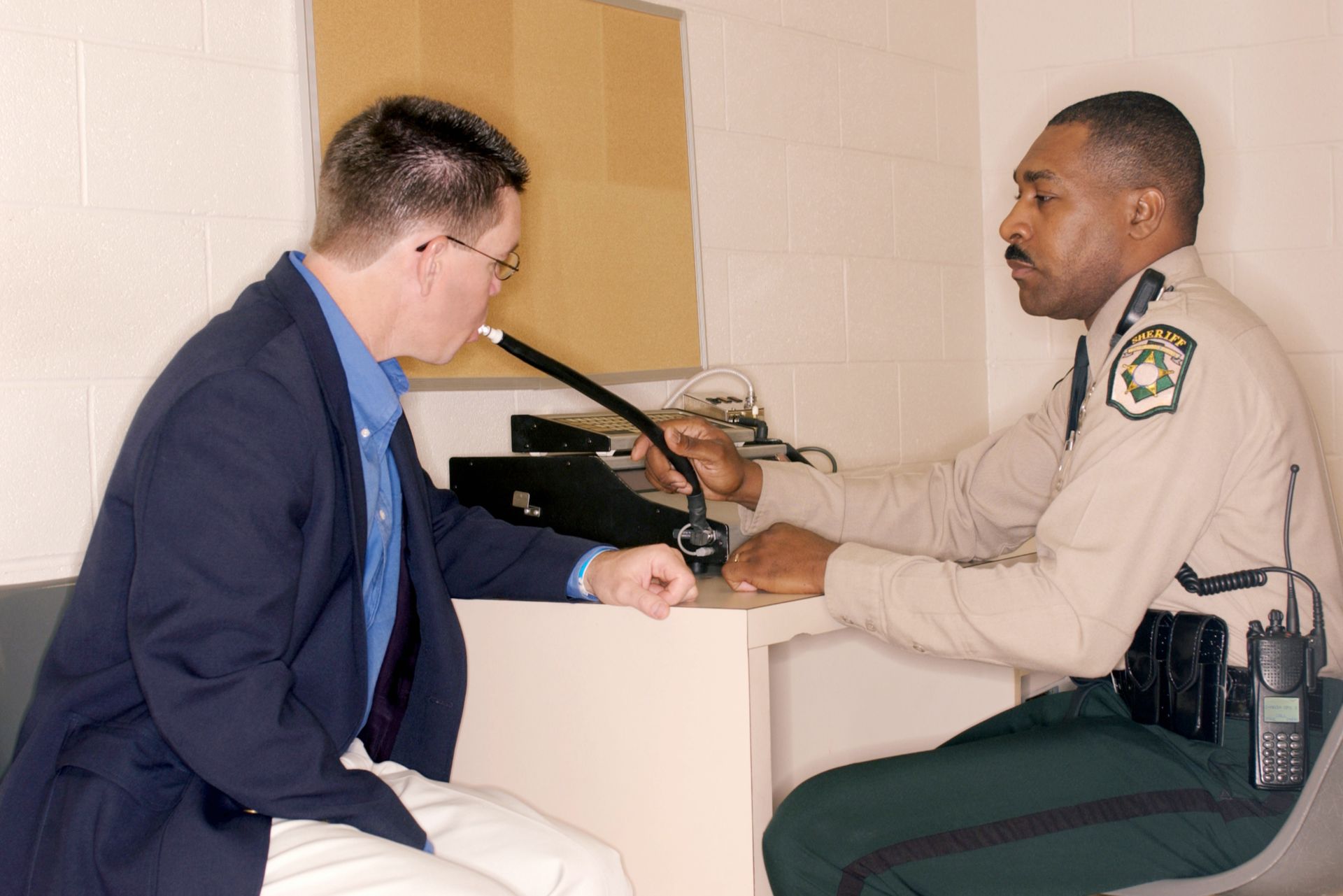
Breathalyzers and blood draws are often treated by prosecutors as definitive proof of guilt, but these scientific instruments are far from infallible. Breath testing devices must be calibrated regularly, cleaned, and maintained according to strict state regulations to prevent false readings. Furthermore, medical conditions like acid reflux, diabetes, or even low-carbohydrate diets can interfere with breathalyzer technology, while improper storage can cause blood samples to ferment and artificially spike blood alcohol content (BAC) readings. Skilled legal representatives demand access to maintenance records, usage logs, and laboratory protocols to identify vulnerabilities in the state's scientific evidence.
4. Resolving Administrative Driver's License Suspension Procedures
Many people do not realize that a DUI arrest triggers two entirely separate legal battles: a criminal case in court and an administrative case with the Department of Motor Vehicles (DMV). The clock starts ticking immediately, and you often have only a handful of days after your arrest to request a DMV hearing to prevent the automatic suspension of your driving privileges. Dedicated criminal DUI lawyers represent you in these administrative hearings, presenting arguments to protect your license or secure a hardship permit that allows you to drive to work or school. Managing this parallel administrative track is essential for keeping your life on track while the criminal trial is pending.
5. Negotiating Strategic Plea Agreements with Prosecutors
When a complete dismissal of charges is not a realistic option due to strong evidence, the focus shifts to minimizing the long-term impact on your life. Prosecutors are often open to negotiation, but they will rarely offer their best deals to an unrepresented defendant. Experienced criminal DUI lawyers leverage their professional relationships and deep knowledge of sentencing guidelines to advocate for reduced charges, such as "wet reckless" driving. They also negotiate for alternative sentencing options, such as alcohol education classes, community service, or probation, which can keep you out of jail and keep your record cleaner.
6. Navigating Strict Local and Regional DUI Jurisdictions
DUI laws are enforced with varying degrees of severity depending on the region, state, and even the specific municipality where the arrest occurred. According to data analyzed by Forbes, 4 of the 10 states with the highest rates of impaired driving are located in the American West: Montana, Wyoming, Oregon, and New Mexico. In areas where driving under the influence is statistically prevalent, local prosecutors and judges often face immense public pressure to enforce maximum penalties. Sharp local attorneys understand the political and legal climate of their specific jurisdictions, allowing them to tailor your defense strategy to the exact courtroom and judge handling your case.
7. Defending Against Complex Felony and Aggravated Charges
If your arrest involved aggravating factors, such as an exceptionally high blood alcohol level, a minor in the vehicle, an expired license, or causing an accident that resulted in bodily injury, the stakes rise dramatically. Under these circumstances, misdemeanor offenses are elevated to felonies, bringing mandatory state prison time, massive fines, and a permanent felony record. Highly trained criminal DUI lawyers are equipped to handle the high stakes of felony litigation, working with accident reconstruction experts and medical professionals to contest causation and minimize your legal exposure.
8. Mitigating Severe Collateral Consequences for Your Future
The true cost of a DUI conviction extends far beyond court-ordered fines and probation fees; it can permanently alter your career and personal life. A conviction can result in the revocation of professional licenses for nurses, pilots, teachers, and lawyers, and it almost certainly prevents you from working any job that requires operating a company vehicle. Utilizing the services of dedicated defense professionals helps protect your livelihood by identifying ways to avoid a formal conviction, such as entering pre-trial diversion programs that culminate in dismissed charges upon successful completion.
9. Analyzing Chain of Custody for Forensic Evidence
The integrity of physical evidence relies entirely on an unbroken, documented chain of custody from the moment it is collected to the second it is introduced in court. Blood samples, urine kits, and mobile breath-testing units must be logged, stored, and transported under strict, sterile conditions to prevent tampering or degradation. When gaps occur in these logs, the reliability of the test results becomes deeply compromised. Competent counselors audit these tracking sheets to find missing signatures, temperature discrepancies, or unauthorized handling, turning administrative sloppiness into leverage to get key biological evidence thrown out completely.
10. Minimizing Mandatory Insurance and Financial Penalties
The financial fallout of an impaired driving conviction goes far beyond court fines, often manifesting as astronomical hikes in your auto insurance premiums. Most states require convicted drivers to file an SR-22 certificate, a high-risk financial responsibility form that signals insurers to dramatically increase your rates or drop your coverage entirely. Navigating these hidden financial traps requires proactive positioning before sentencing even occurs. Professional criminal DUI lawyers advise clients on steps to take, such as voluntary installation of an ignition interlock device or early enrollment in safety courses, to demonstrate rehabilitation, ultimately satisfying state requirements while protecting your financial baseline.
11. Representing Your Case Aggressively in a Court Trial
If negotiations stall and the prosecution refuses to offer a fair resolution, your case must proceed to a formal trial. Presenting a DUI defense to a jury requires an entirely different skill set than out-of-court negotiations, demanding a deep understanding of jury selection, cross-examination, and evidentiary rules. Confident litigators construct a cohesive narrative for the jury, cross-examining the arresting officers and presenting expert witnesses to cast reasonable doubt on the state's case. Having an aggressive, experienced trial attorney in your corner ensures that your constitutional rights are protected from the opening statements to the final verdict.
While a DUI arrest can make you feel powerless, you do not have to face the legal system alone. Securing representation from a professional who understands the science, the local courts, and the nuances of the law is the most effective step you can take to reclaim control. By addressing these critical challenges head-on, a specialized defense attorney gives you the best opportunity to protect your driver's license, your record, and your freedom. For more information on how criminal DUI lawyers can help you navigate your case, please reach out to Bulldog Legal today.